
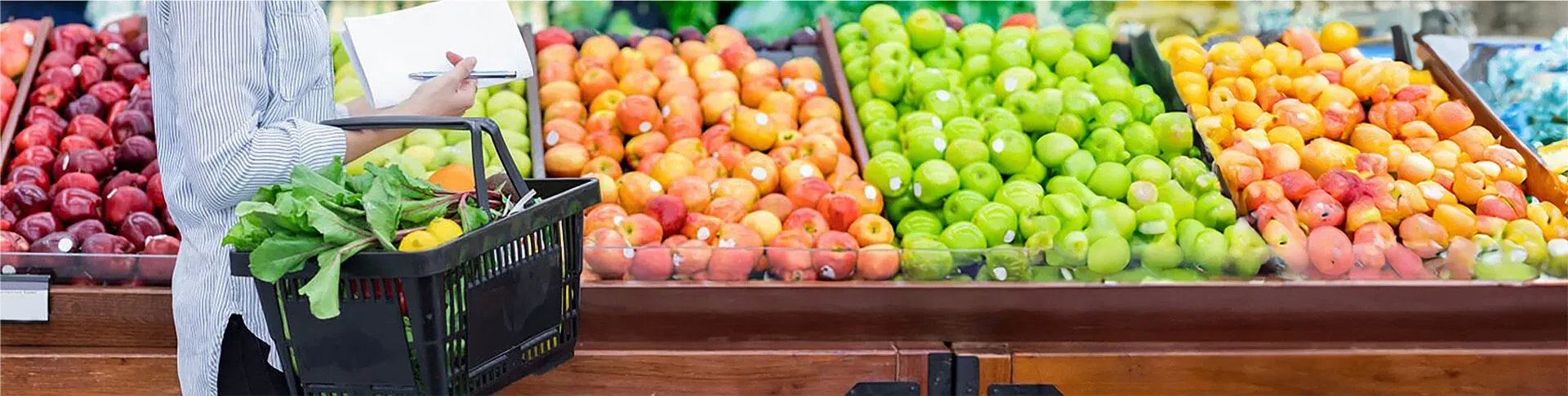
Food waste is an inefficiency for food businesses, and inefficiencies are bottom-line costs. Cutting waste requires operational changes, but while many businesses are eager to adopt food waste reduction solutions—and have even made public sustainability commitments declaring waste reduction targets—solutions implementation can be costly and complex. Yet the benefits are real, including a proven return on investment.

That’s why ReFED offers a suite of resources to support businesses in their sustainability journeys. We’re helping businesses move from making commitments to taking action, from tracking progress in a vacuum to understanding how they measure up to their industry peers, and from operating on a hunch to identifying where their efforts will have the greatest impact.
Our Business Initiatives team features sustainability and supply chain experts who provide custom analytics, capacity-building, and strategic advisory services uniquely tailored to your work—helping your business achieve a range of food waste reduction goals.
Business Services
Featuring custom analytics, capacity building, and advisory services, ReFED’s Business Services team gives businesses the insights and analysis they need to create and execute effective food waste reduction strategies. Drawing from our extensive experience throughout the food industry, we deliver specialized support and recommendations paired with sector-specific insights and best practices. From high-level information sessions that nurture broader understanding to deep-dive facilitated workshops and more to drive operational evolution, our Business Services team is a critical partner for every stage of your company’s food waste reduction journey.

U.S. Food Waste Pact
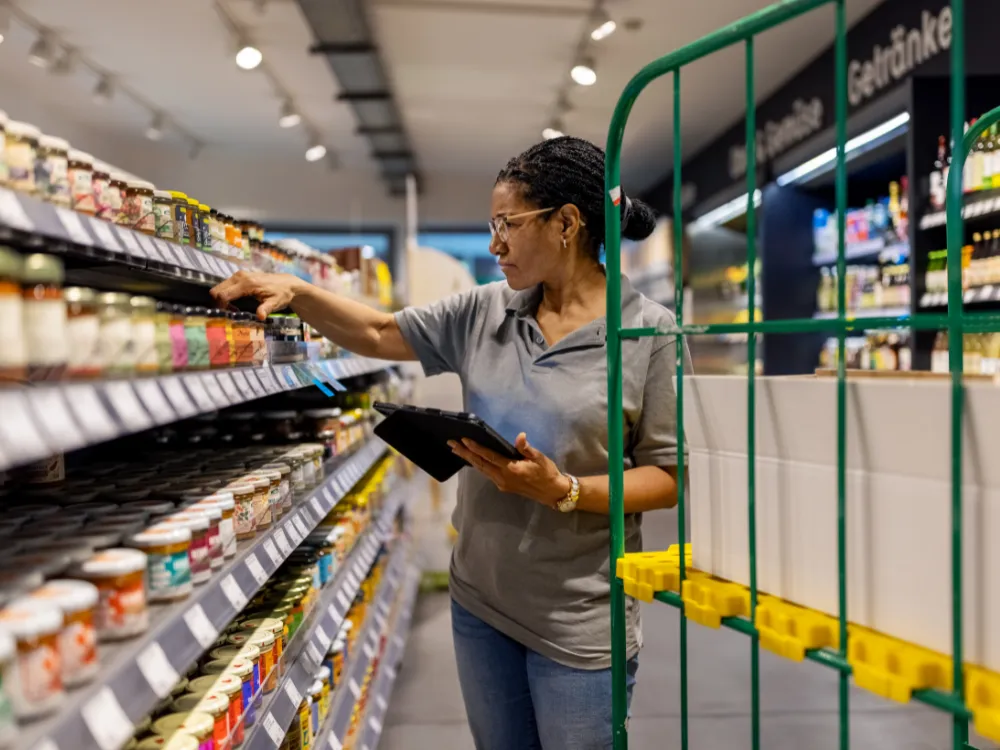
The U.S. Food Waste Pact is a national voluntary agreement designed to help waste-generating businesses across the food system to accelerate progress toward their sustainability goals. Led by ReFED and World Wildlife Fund and inspired by similar collaborations around the world—including the UK Food and Drink Pact (formerly the Courtauld Commitment 2030) in the United Kingdom and Pacto Por La Comida in Mexico—the Pact provides a foundation for action through data measurement and reporting, working groups that facilitate precompetitive collaboration, and pilot projects that test and scale high-impact solutions, all built around the “Target, Measure, Act” framework. Featuring industry leaders like Walmart, Starbucks, Kroger, Fresh Del Monte, Sodexo, and many more, the Pact is helping businesses work collectively with their peers to drive systemwide change.
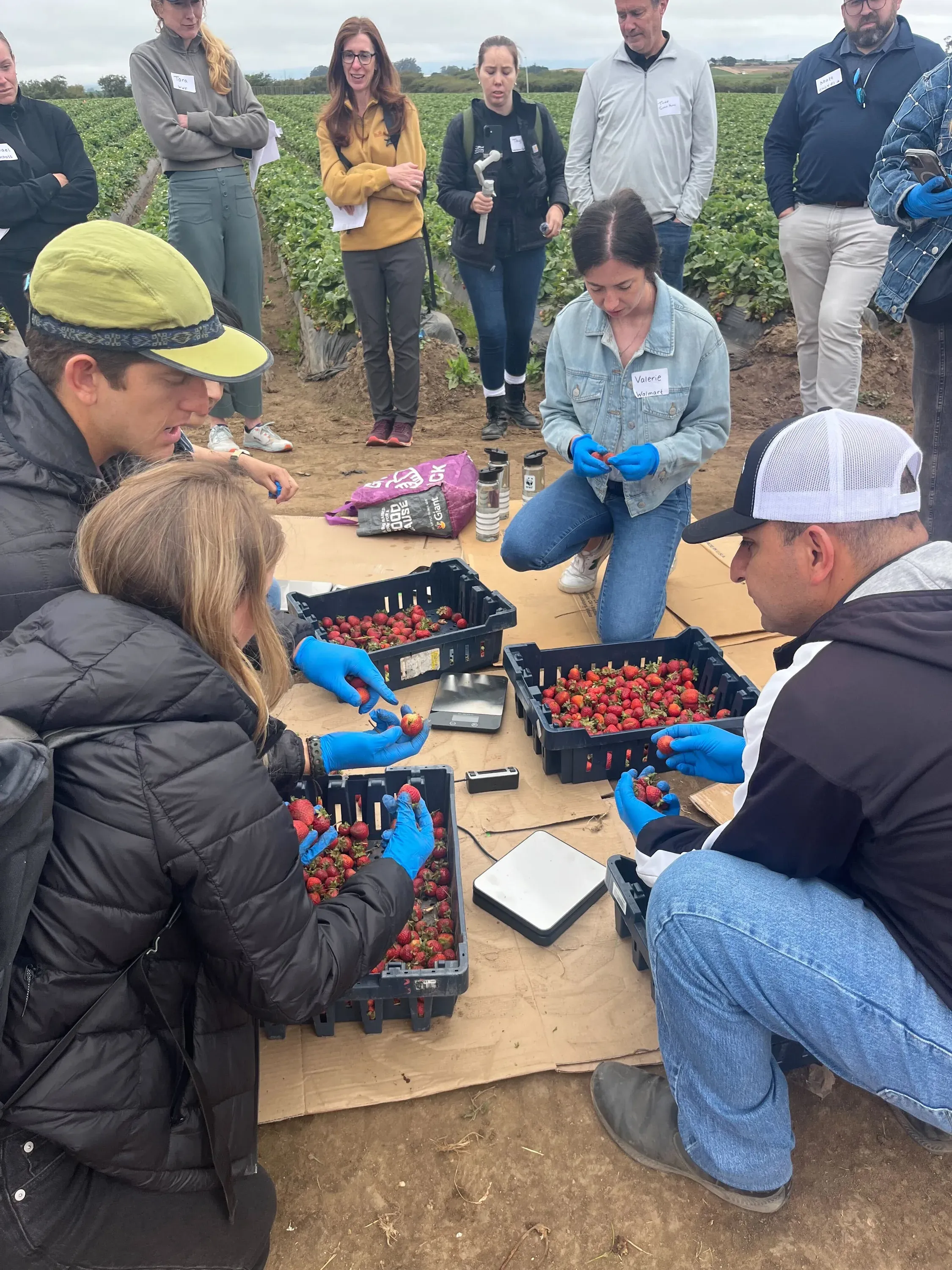
U.S. Food Waste Pact Signatories Include:
The Roots of the Pact: Pacific Coast Food Waste Commitment
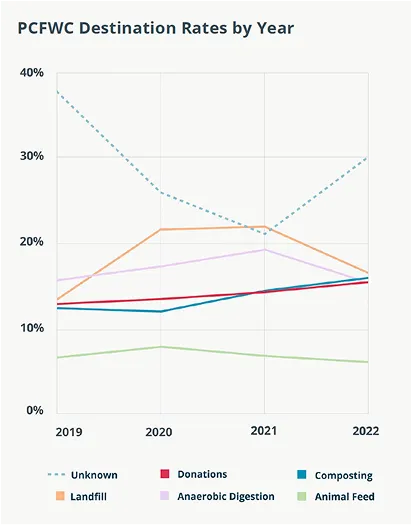
From 2019 through 2025, ReFED served as a founding resource partner for the Pacific Coast Food Waste Commitment (PCFWC), a public-private partnership between food businesses and jurisdictions on the West Coast of North America, all working together to reduce food waste in the region by 50% by 2030. In 2025, an analysis by ReFED found that grocery retailers who had signed on to the PCFWC reduced the volume of unsold food in their regional operations by 25% between 2019 and 2022—the largest decrease ever recorded. In addition, they increased the rate of unsold food going to compost by 28% and the rate of unsold food being donated by 20%—all of which led to a 30% decrease in associated greenhouse gas emissions. With the goal of scaling the success of the PCFWC to the national level, the U.S. Food Waste Pact supports businesses across the country in sharing food waste reduction data and testing and scaling solutions.

Sign Up for Our Mailing List
Stay on top of what’s happening in the fight against food waste—plus be the first to find out about news, events, funding opportunities, job postings, and more from ReFED and others in the space.