
Food Waste Impacts
How Does Food Waste Reduction Contribute to a Circular Economy?
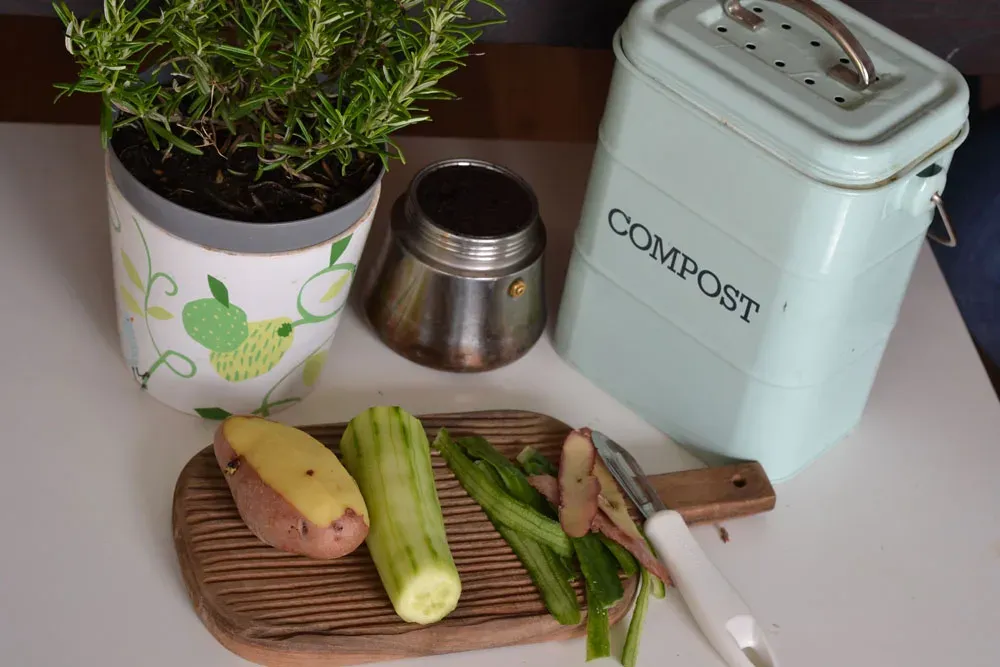
Many people promoting a "circular economy" may wonder where food waste fits in. The circular economy advocates for the transformation of the world’s current systems of waste production from linear processes that permanently remove precious resources from the environment—through various disposal methods such as dumping or landfilling—to a cyclical model in which resources are designed, used, and recaptured without producing any waste. The good news is that addressing food waste is promoting a circular economy.
Unlike plastics, textiles, precious metals, and other materials which last longer than a product’s standard use phase or lifetime, food is intended to be completely consumed. Therefore, as much as possible, circular economy principles dictate a focus on preventing food from becoming waste in the first place. For food that is unavoidably lost from the human consumption chain, we should then treat food like these other materials whose “waste” streams represent valuable resources that are full of potential for circular transformation.
Three Principles of a Circular Economy—and What They Mean for Food Waste

Eliminate Waste and Pollution
First and foremost, we must design waste out of our food system by taking action to prevent surplus in the first place. This is the most powerful solution from a climate and resource perspective, because it not only avoids methane emissions from landfill disposal, but it also makes the best use of the resources necessary to produce food and move it through the supply chain. Some of the best ways to prevent food waste include optimizing distribution (opens in a new tab), upcycling (opens in a new tab) byproducts into food products, honing forecasting and fulfillment (opens in a new tab), designing packaging to encourage less waste (opens in a new tab), and educating consumers (opens in a new tab) on proper food management.

Circulate Products and Materials (At Their Highest Value)
Capturing and redistributing edible food through food rescue efforts is the best way to repurpose surplus food. When whole foods can’t be rescued, nutrients and byproducts should be saved and used to make new products, such as animal feed, compost, and digestate and biogas from anaerobic digestion.

Regenerate Nature
Turning food scraps into nutrient-rich compost (opens in a new tab) is only half the process. Combining compost use with practices like using diverse crop varieties, cover crops, agroforestry, and rotational grazing in order to maximize soil health and limit the need for synthetic inputs is the key to creating a food economy that is circular. Healthy soils help to restore the natural carbon cycle and have the ability to hold and absorb water, increasing resilience to droughts and floods. These practices also result in farmland that is closer to the natural habitat for a wide range of organisms, thereby increasing biodiversity.

What You Can Do

Investigate the issue and find solutions
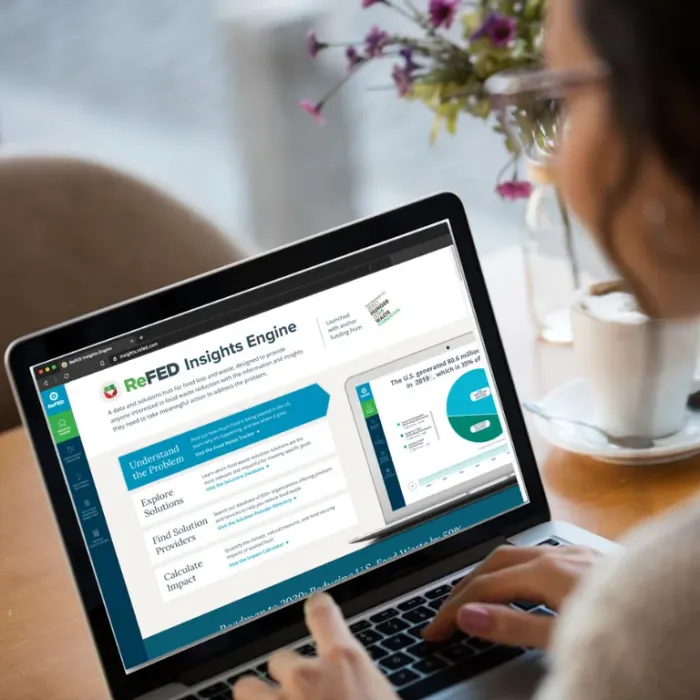
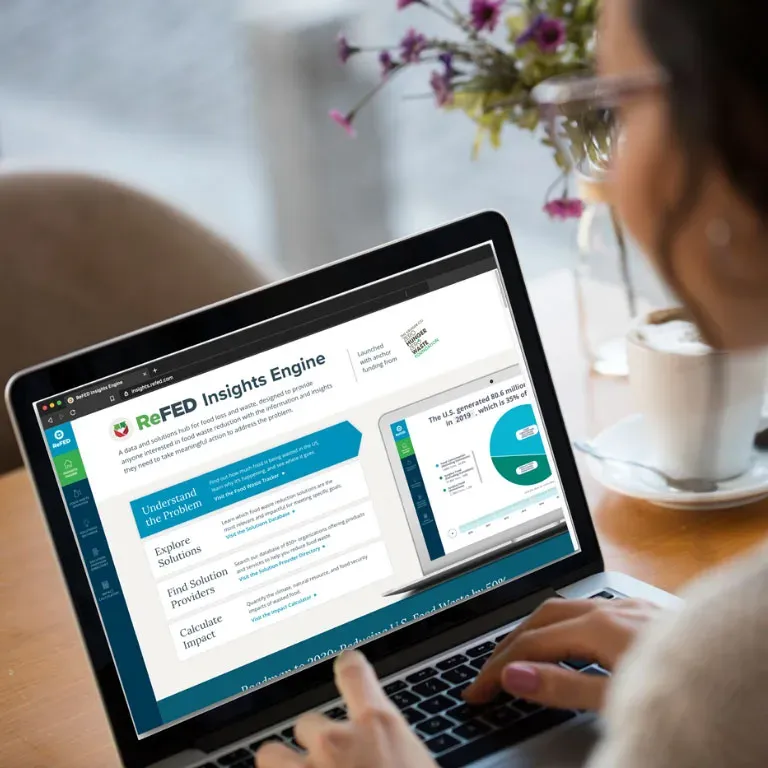
The ReFED Insights Engine is your one-stop shop for all the data and solutions you need to implement change. Use the Food Waste Monitor to get more data about the problem, explore the Solutions Database to determine a plan of action, browse the Solution Provider Directory to find organizations that are working to solve the problem, dig into the Impact calculator to project the impacts of change, and more.

Explore Stakeholder Recommendations
Determine which actions can make the most impact depending on your role in the food system. Producers, manufacturers, retailers, foodservice providers, policymakers, capital providers, and more all have important roles to play in reducing food waste.


Join a network
ReFED offers opportunities for everyone to be a part of the solution to food waste. Our Food Waste Funder Circle is a curated platform for funder education, collaboration, and investment. Our Solution Provider resources help you get your business in front of investors. And the Food Waste Action Network connects you to potential collaborators from across the food system.

Impact Resources
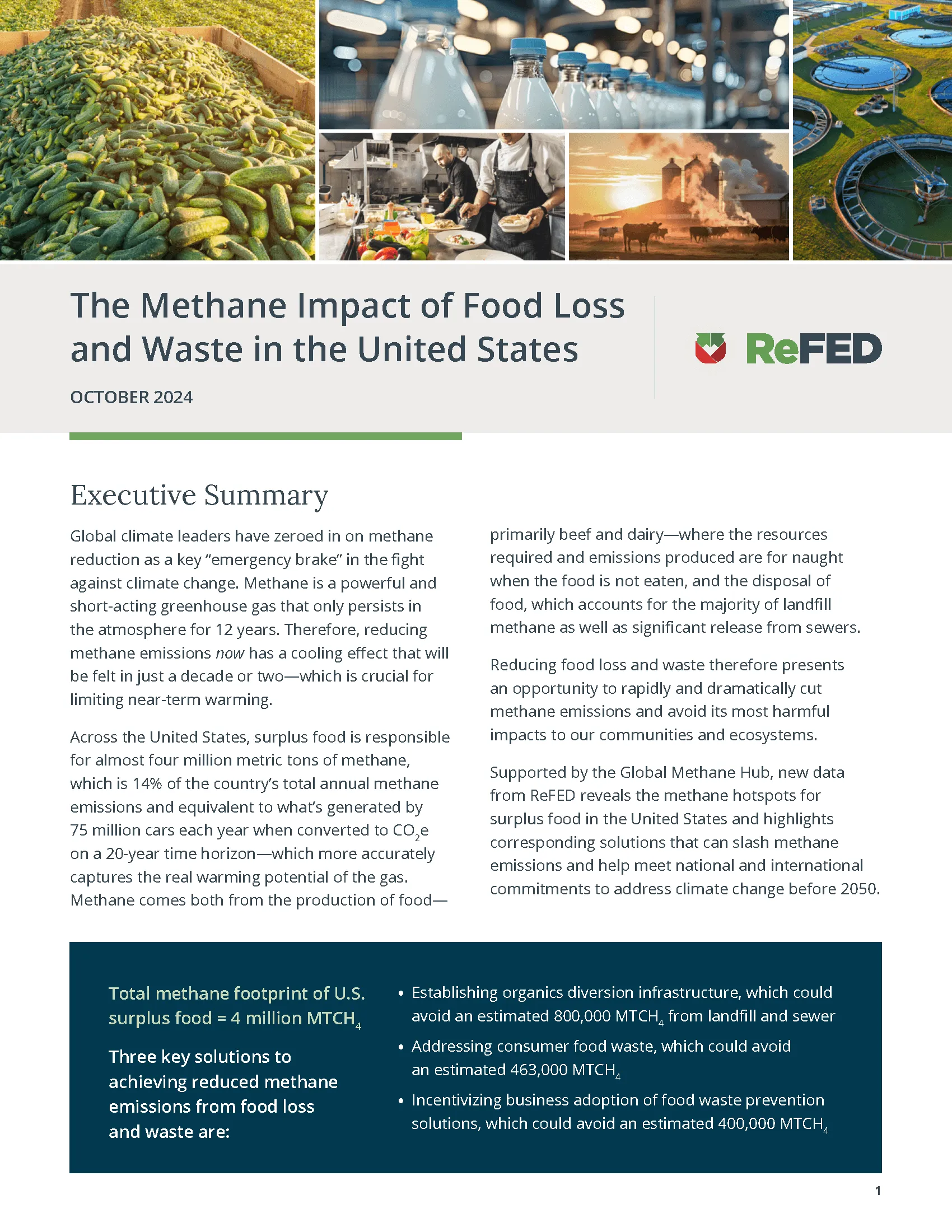
The Methane Impact of Food Loss and Waste in the United States
Global climate leaders have zeroed in on methane reduction as a key “emergency brake” in the fight against climate change. Methane is a powerful and short-acting greenhouse gas that only persists in the atmosphere for 12 years. Therefore, reducing methane emissions now has a cooling effect that will be felt in just a decade or two—which is crucial for limiting near-term warming.



"Food is wasted across the supply chain, at farms, manufacturers, retailers, restaurants and in our homes. Solutions that prevent food from being wasted in the first place should be made a priority."
Dana Gunders
President, ReFED
ReFED offers a range of resources for organizations to advance their own food waste initiatives and waste audits. Our interactive tools, reports, and strategic solutions can help your team get started.