
Food Waste Impacts
How Do Date Labels Contribute to Food Waste—and What Do They Really Mean?
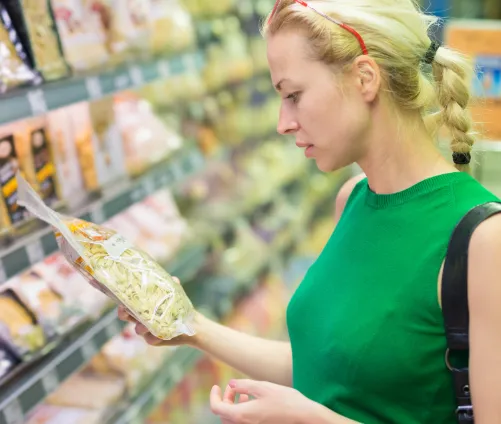
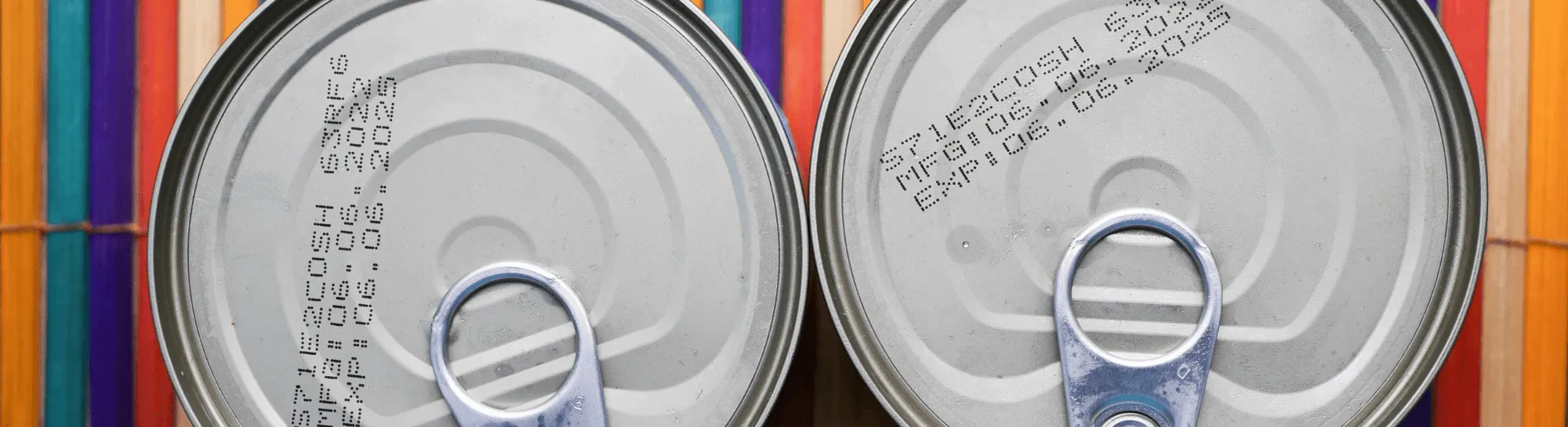
"Is this still OK to eat?"
That’s the question consumers face on a daily basis when confronted with the date labels on food. Confusion about what date labels do—and don’t—mean is a major contributor to uneaten food, especially among consumers. As such, efforts to standardize, streamline, and simplify date labels have become a core part of the food waste reduction playbook.
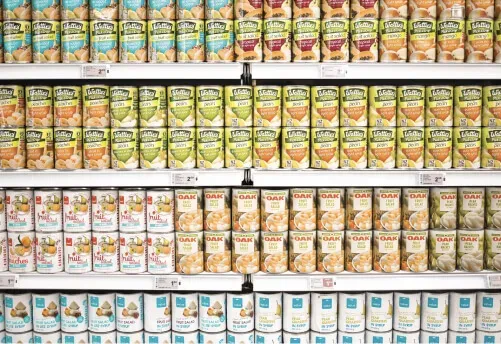
Date label concerns are estimated to cause about three billion pounds of surplus food each year in homes across the country. What’s more, grocery stores typically remove unsold products from their shelves two to three days before the date listed on their packaging—for fear of erroneously being seen by their customers as selling food that’s “gone bad”—which adds to the total.
Standardize, Streamline, Simplify
ReFED’s analysis estimates that standardizing date labels—and educating people on what the revised labels mean—can annually prevent 381k tons of food waste, which would reduce CO2e by 2M metric tons and save an estimated 135 billion gallons of water. Importantly, it would also produce a net financial benefit of $1.92 billion, with limited costs to implement and financial benefits reaped not only by consumers, but also the retail, manufacturing, and foodservice sectors.
Exploring the Issue
Currently, there is no federal standard for date labels on any food products except infant formula. Some states have different requirements, and various industries have developed voluntary standards, but ultimately it's up to manufacturers to put labels on their products—or not.
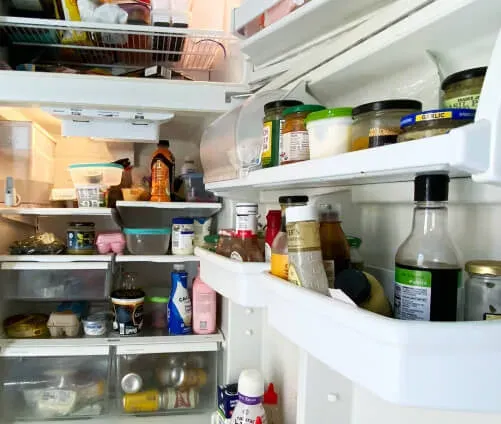
Ever wonder what those dates on your food packages actually mean? Dates on food labels are mostly about quality, not safety, and they are estimates anyway. What's more, most foodborne illnesses come from contamination, not age.
Best By
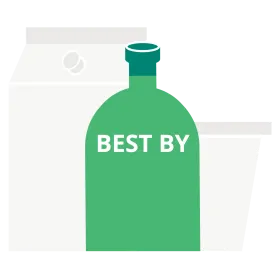
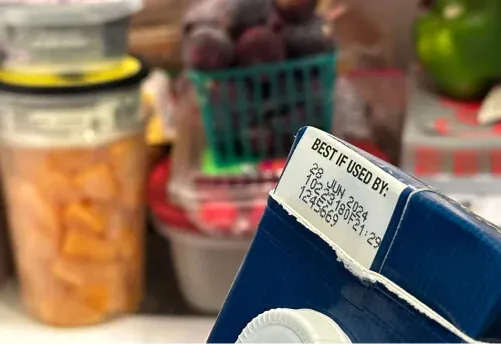
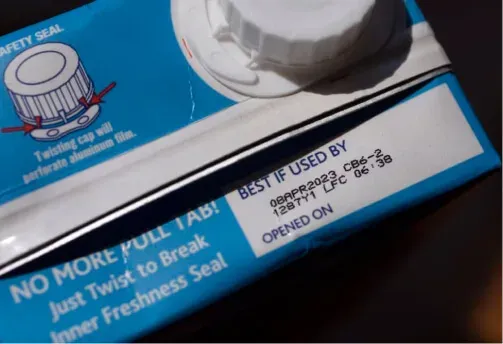
Dates on food labels are mostly about quality, not safety. "Best by" indicates the food will taste best before that date.
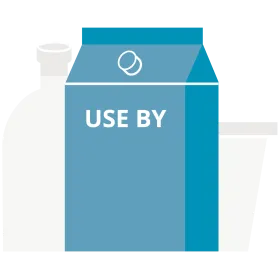
Use By
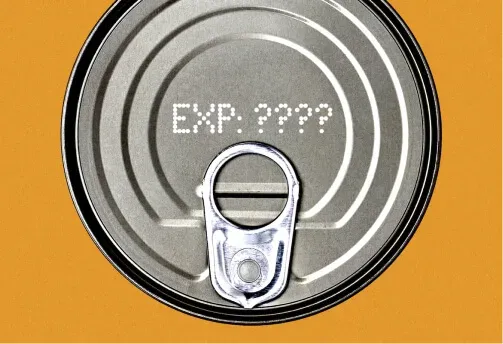
"Use by" can be confusing, because it can indicate quality or a safety risk—there's no way to know for sure on the label.
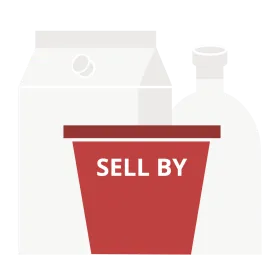
Sell By
"Sell by" is for stores, to take the food off the shelves by a certain date. But this doesn't necessarily mean it's bad for you after that date.
A range of groups—including the Zero Food Waste Coalition—are advocating for industry and government to implement just two standardized date labels:
“BEST If Used By” as a measure of quality, and
“USE By” to indicate an increased risk in consuming the food.
In this system, “sell by” dates would be eliminated, since they’re not meant for consumers anyway. Currently, the industry has voluntary guidelines for this system, but it’s only partially followed. Once date labels are standardized, it is also important to provide the necessary education to consumers and others, so that labels can be accurately interpreted and acted upon.
Stakeholder Actions
Standardizing date labels will take action from stakeholders across the food system, beginning by following legal guidance from the USDA and FDA and passing proposed legislation such as The Food Date Labeling Act (opens in a new tab). And while governmental guidance and action are crucial pieces, other stakeholders can also contribute to fixing this issue in different ways:

Government
Congress should pass the Food Date Labeling Act to standardize food date labels.
FDA and USDA can update existing regulations to standardize date label wording.
State governments can pass requirements to follow the standardized date system articulated in the Food Date Labeling Act and revoke restrictions on the sale or donation of food after the date on the label.
Recently, California enacted legislation to require standardized labels using "USE By" for safety and "BEST If Used By" for quality; it also prohibits the use of "sell by."

Manufacturers
Follow the industry voluntary guidelines (opens in a new tab) for a standardized date label system.
When moving away from “sell by” dates, be sure to extend timeframes to accompany new date meaning.
Provide additional guidance on maximizing the use of products, including optimal storage, shelf-life after opening, and ways to revive products or use the last bits, such as toasting stale crackers or using cookie crumbs on ice cream.

Retailers
- Request manufacturers implement standardized date labels on all products sold.
- Once enacted, implement consumer education campaigns to increase the benefit of this solution.
- Make sure private label products follow voluntary standards.

Public Funders
- If legislation is adopted, fund consumer education on new date labeling practices in partnership with manufacturers or retailers.

Philanthropic Funders
- Fund advocacy to encourage the passage of legislation like the Food Date Labeling Act.

Solution Providers
- Advocate for legislation that standardizes date labels at the local, state, and federal level.

Consumers
- Don't toss it! While checking the date label is a good start, use other senses to determine if food is still edible. If something is questionable, cook it well (you can even cook up deli meat or bagged greens, for instance).
- Use tools like the USDA FoodKeeper (opens in a new tab) app to make it easier.
- Encourage the retailers where you shop to speak to the manufacturers that supply their product; let them know their customers support standardized date labels.
What You Can Do



Support Our Work
Your support will be used to help reduce food waste across our food system, which offers so many critical benefits. It's a key solution to the climate crisis; it assures we aren't wasting our limited natural resources; it helps businesses be more successful and sustainable—and it gets more food onto the plates of people who need it.

Resources



“Imagine seeing someone walk down the street and toss half a sandwich on the ground. You’d probably glare at them, or at least roll your eyes. Now imagine seeing that same person walk down the street and toss that half a sandwich in the trash. In all likelihood, you wouldn’t even blink.
The lesson? Littering is socially unacceptable. Wasting food is not."
Dana Gunders
Executive Director, ReFED
The key is helping consumers redefine value, so it isn’t only about the biggest or the cheapest, but a food system that prioritizes less waste.