
Reports
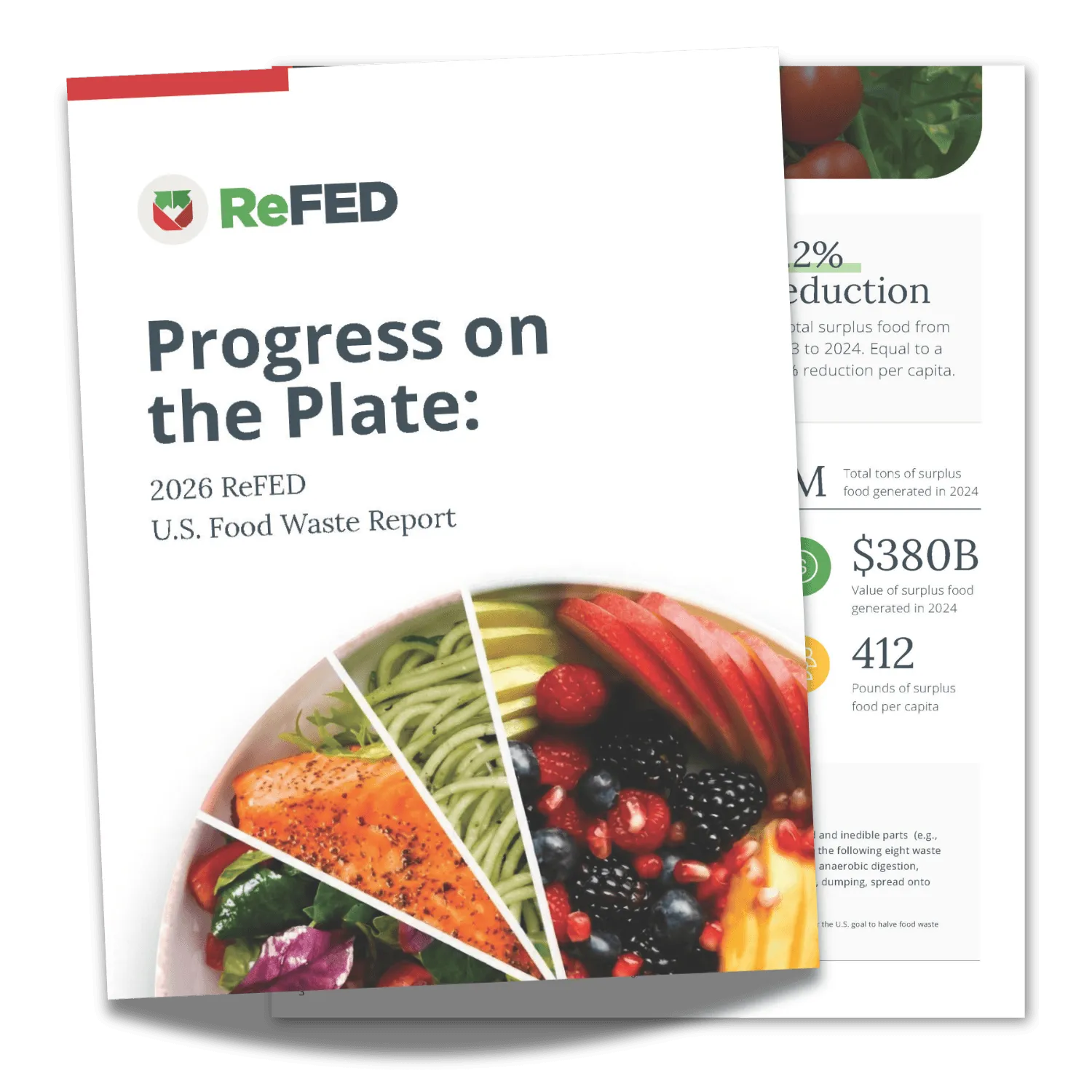
Progress on the Plate: 2026 U.S. Food Waste Report
ReFED | April 7, 2026
As affordability and food prices remain top of mind for Americans, a harsh reality remains true: in the United States, nearly one third of all food is lost or wasted as it makes its way from farm to fork. But as you’ll see throughout this report, progress on food waste is not only possible—it’s happening. Pulling together ReFED data analysis and modeling with external research and supported by narratives developed through our work with partners across the food waste ecosystem, this report is intended to help the food system understand food waste and what can be done to solve it.
“This is an opportune moment to focus on wasting less food. With higher food prices, Americans are looking for ways to extend their grocery dollars. Using up more of what they’re already purchasing and wasting less is proving to be one of the most accessible ways to do it. At the same time, food waste reduction is recognized as a business decision with material impact on the bottom line for food businesses, which are elevating the issue to the C-suite and boardroom. The wind is at our backs, and it’s time to step on the gas.”
Dana Gunders
President, ReFED
How Much Are We Wasting
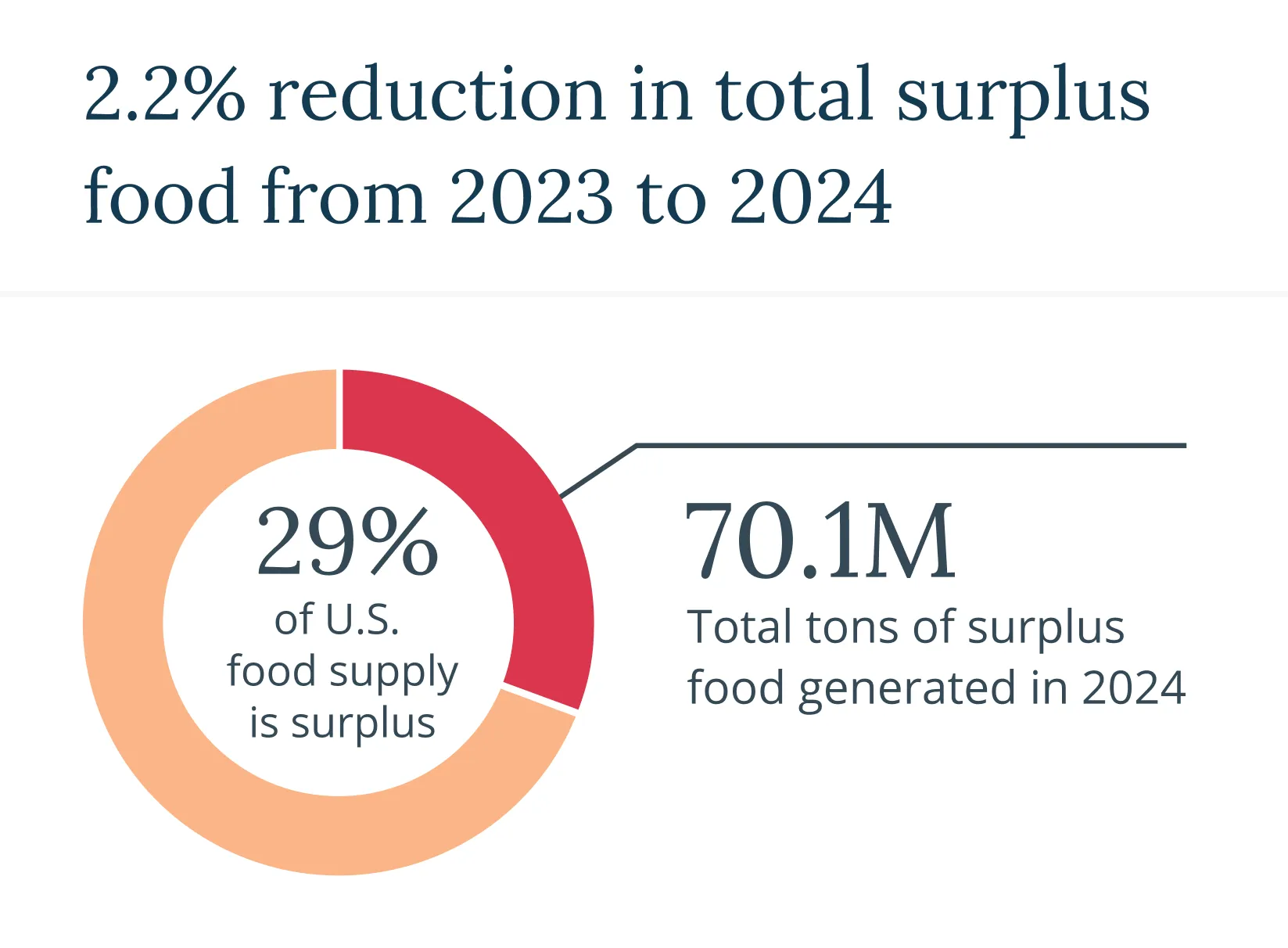
ReFED’s modeling and analysis show that total surplus food in 2024 (the latest year for which data is available) was 70 million total tons—about 29% of the U.S. food supply. That's a 2.2% reduction in total surplus food from 2023, and the first time since a pandemic-related dip that we’re seeing meaningful reductions in food waste from year-to-year.
What Are the Impacts?
The cost of food remains high, which means the cost of wasting it is high too. Food that is produced but never eaten still requires enormous resources to grow, harvest, transport, cool, and cook or otherwise prepare. It’s an imprudent use of our food supply chain, and it has enormous impacts on the economy and climate, and for those struggling with food insecurity.
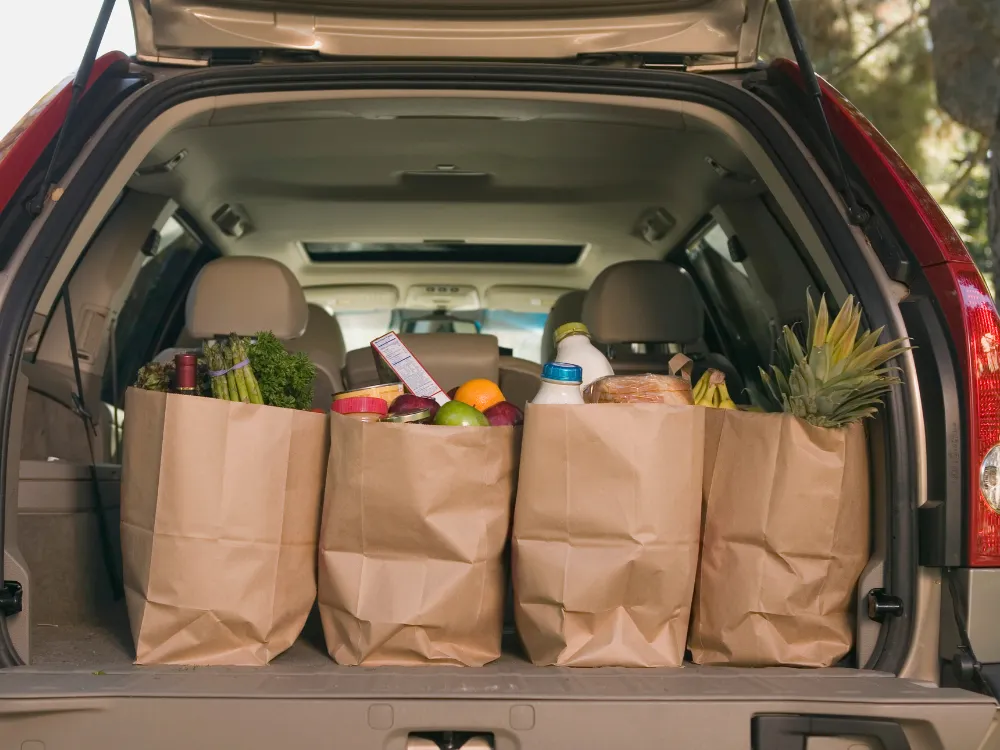

The total value of surplus food in 2024 reached $380 billion, with consumers spending an average of $762 per person on food that goes to waste.


Emissions from surplus food in 2024 were equivalent to 51M cars driven for a year.
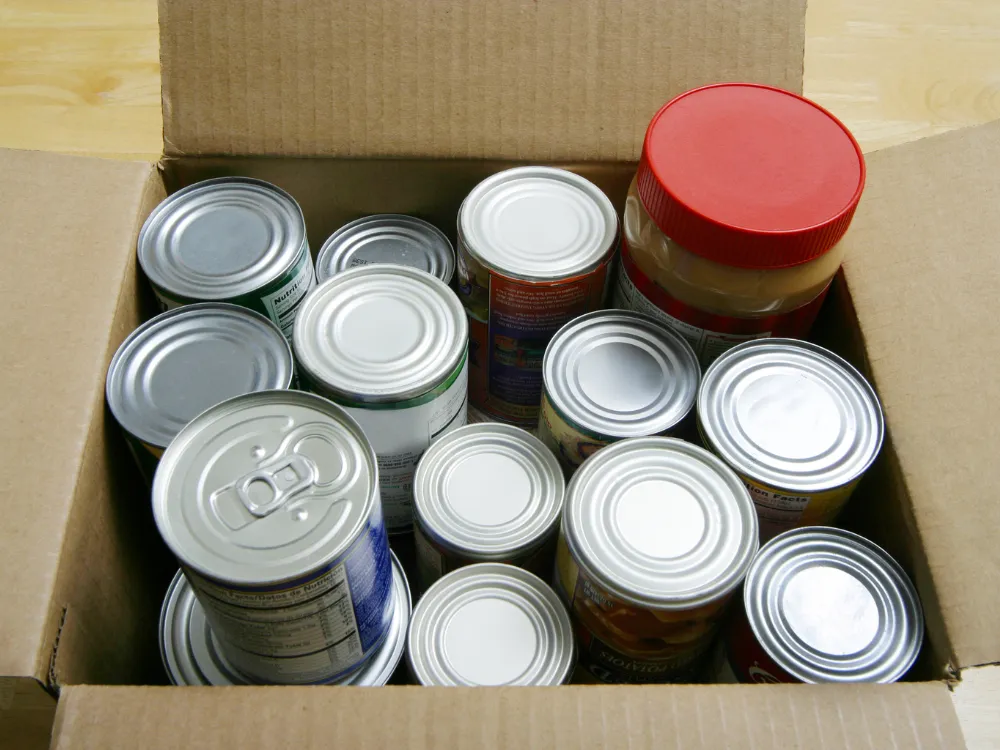

Just under 13% of food that could be donated actually was, indicating a big opportunity to increase food donations from food businesses.
What's Influencing Progress
Due to high food prices, supply chain disruptions, and other concerns, more consumers and food businesses are recognizing the problem of food waste than ever before, and solving it continues to appeal to people across the political and cultural spectrum, breaking down potential barriers to progress.


Consumers are changing their behavior around grocery shopping, meal planning, and food management.
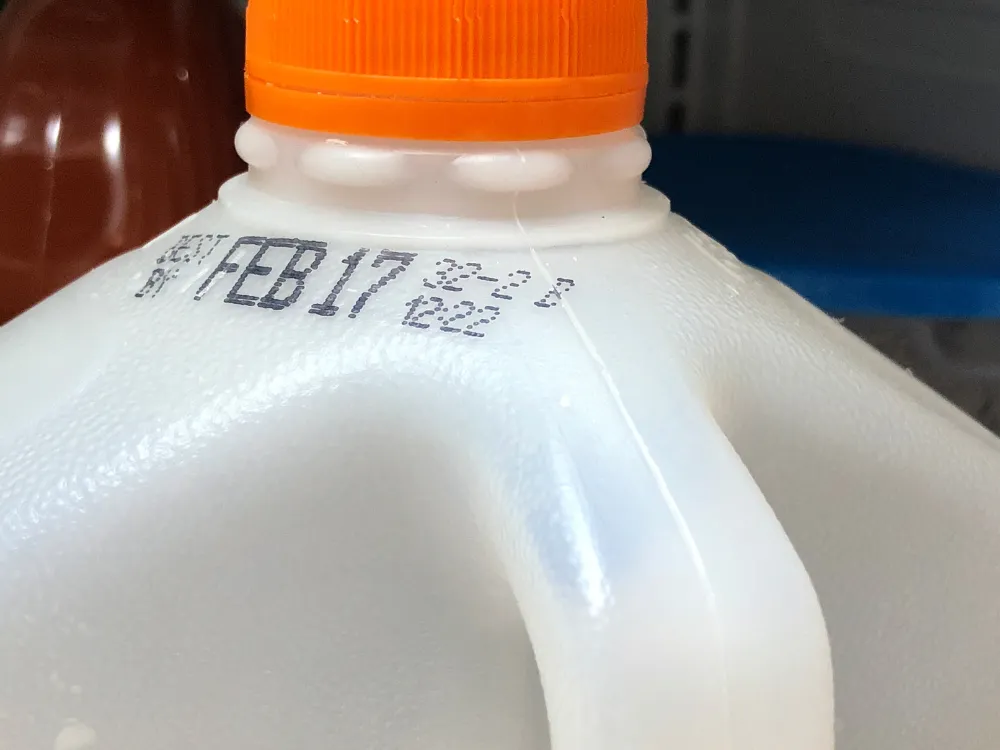

The federal bipartisan Food Date Labeling Act has the potential to make a dent in the more than 3.5 million tons of food discarded each year due to consumer confusion over date labels.


AI’s most proven impacts on food waste today are in operational applications—those aimed at helping households reduce food waste remain in their early stages.
What's Working
Food waste happens across the entire food supply chain, which means that there’s not just one single solution that will solve it—but the good news is that multiple solutions already exist. ReFED has analyzed dozens of them to determine which work best to deliver specific impacts, including the amount of waste diverted, benefits for the economy and climate, jobs created, and more.

To see ReFED’s modeling and analysis of 47 different food waste solutions, visit the ReFED Insights Engine (opens in a new tab).
Success Stories
We’re not just seeing progress in homes. Businesses across the supply chain are committing to food waste action like never before, momentum behind food waste policy is building in state houses across the country and in Washington D.C., private funding to U.S. food waste solutions increased for the first time in four years, and more.

The U.S. Food Waste Pact, led by ReFED and World Wildlife Fund, doubled its signatories to 30, including the first trade association, food distributor, and hospitality members.


We’re seeing promising signs of support for food waste reduction by the Trump administration, including the recently announced Feed It Onward initiative from the U.S. EPA.


Overall funding grew 6% from 2024, signaling that private and philanthropic capital providers are recognizing food waste solutions as opportunities for both financial returns and impact.
2026 Outlook
The 2.2% reduction in total surplus food from 2023 to 2024 marks a significant milestone and an inflection point, and we're optimistic that we've moved beyond "peak food waste." The foundation for success has been built and momentum is growing, making greater progress possible. In 2026, we’ll be keeping our eye on continued progress in the restaurant and foodservice sector, the potential impact of the Making America Healthy Again movement, the growing influence of GLP-1s, and more.
Who is the Report For?

Food Businesses
Discover how businesses like yours are cutting waste and cutting costs. Find out what's working and how you can benefit.

Capital Providers
Total food waste sector funding grew 6% to $794M in 2025. See where private capital is flowing and which solution categories are scaling fastest.

Solution Providers
From AI-powered demand planning to organics diversion infrastructure, find out where innovation is needed most—and what the data says about impact.

Policymakers
Explore the policy landscape, including 110 state bills introduced in 2025 and the growing case for the federal Food Date Labeling Act.