
"This is a day of profound weight and profound power, a day in which we remember the moral stain, the terrible toll that slavery took on the country and continues to take."
— President Biden on Juneteenth 2021
It was just last year that Juneteenth became an official federal holiday. In many ways that is a perfect illustration of how Black people in America continue to face unjust and inequitable forces in society. More than 150 years after the first Juneteenth, a righteous and powerful event, the holiday still had to fight for equal recognition. While an official holiday might seem trivial to some, especially when considering the seriousness of the issues, a holiday is only the tip of the iceberg, which under the surface represents action towards freedom of being oneself. A signifier that it is okay to mourn the tragedies of the past and work towards a better future. A time and place to come together as a community, celebrate connectivity, and recognize that we are all in this together.
At ReFED, we recognize that food and community are inseparable. To commune is to come together as a group and share resources. Breaking bread as tradition goes all the way back in time. Almost all holidays have some kind of food associated with them. Whether it is the Thanksgiving turkey or Ramadan’s iftar, food, community, and celebration go hand in hand.
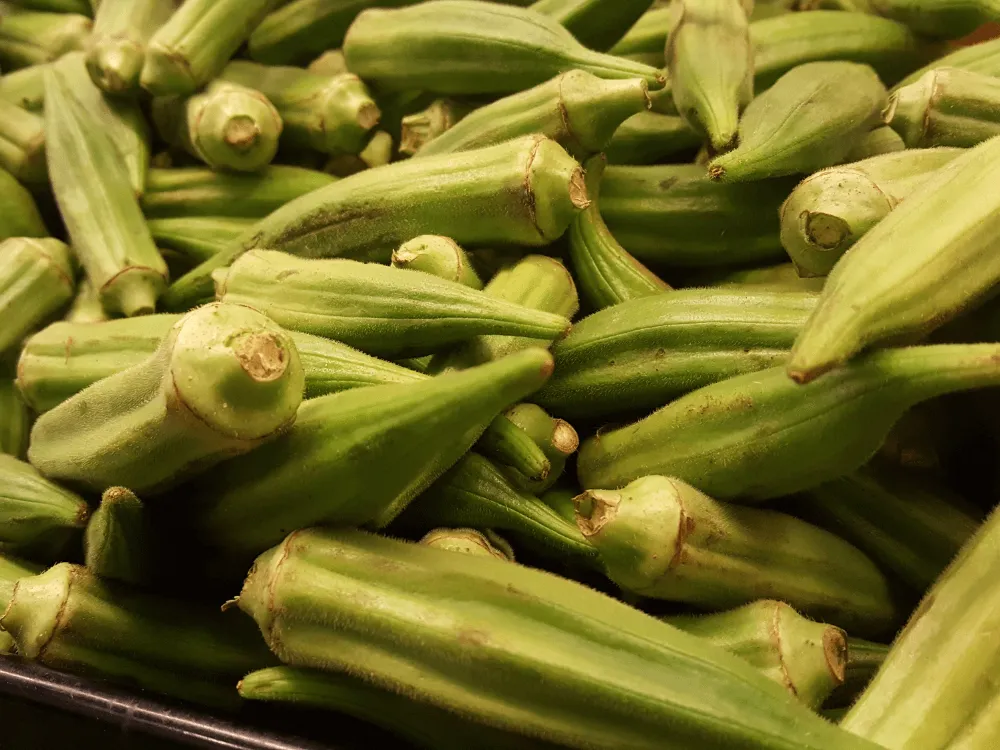
“When we think of why it is so dire to make the best use of the food we grow, momentous occasions such as Juneteenth remind us of how vital food is to sustain communities and preserve culinary traditions that transcend over time and space. Foods such as okra and yam made the horrific voyage through the slave trade from West Africa to the U.S. and became the seeds that have proliferated into what we now know as Cajun and Southern cuisine — a testament to how people replant traditions, create new ones, and maintain their ties to a homeland through food,” said Vanessa Mukhebi, ReFED’s Communications Manager. “The whole point of food is not just about eating, but it’s about eating with other people. As a member of the African Diaspora in the U.S., that's what Juneteenth is all about to me – finding community by ‘breaking bread’ and celebrating ourselves, our history, and our joy in the company of others.”
Many are aware of the proud traditions and profound importance of different foods in the Black community. Several of the well-known foods of the community were some of the original waste-free recipes. Using ingredients like oxtails and chicken feet out of the necessity to waste nothing, these recipes and traditions have lived on through the delicious ingenuity of their creators. Now, there are many inspiring Black people that are centering the discussion of a sustainable food system around the need for diversity, justice, and equity. It is a better time than ever to tune in, actively listen, learn, and act. In the spirit of “passing the mic” to voices doing the work, ReFED has compiled the following list of resources and changemakers – from bloggers and chefs to creators and startup founders – in the food system. We hope you’ll celebrate this holiday by welcoming these voices into your community. (This is not an exhaustive list).
- Alexis Nicole Nelson (opens in a new tab), aka The Black Forager, who just won a James Beard Award
- Chef, Environmental Activist, and Creator Sophia Roe (opens in a new tab), who also just won a James Beard Award
- Tony Hillery (opens in a new tab) of Harlem Grown (opens in a new tab)
- Jasmine Crowe (opens in a new tab) of Goodr (opens in a new tab)
- Stephen Satterfield (opens in a new tab)of High on The Hog (opens in a new tab) and Whetstone (opens in a new tab)
- Marvin Hayes (opens in a new tab) of The Baltimore Compost Collective (opens in a new tab)
- Christopher Bradshaw (opens in a new tab), founder and ED of Dreaming Out Loud (opens in a new tab)
- Malik Yakini (opens in a new tab) of Detroit Black Community Food Security Network
- Ron Finley (opens in a new tab), aka The Gangster Gardner, of The Ron Finley Project (opens in a new tab)
- “Elevating Voices, Ending Hunger (opens in a new tab)” podcast by Ami McReynolds (opens in a new tab)of Feeding America (opens in a new tab)
- NYT list of Black Chefs (opens in a new tab)
- Food Network list of Cookbooks by Black Chefs and Historians (opens in a new tab)
- The Story That Okra Tells Us (opens in a new tab)
- Eat Okra (opens in a new tab)- A place to discover Black-owned eats near you
- Erica Clahar (opens in a new tab) of Umi Feeds (opens in a new tab)
- Leah Penniman (opens in a new tab) of Soul Fire Farm (opens in a new tab)
- Jamila Norman (opens in a new tab) of Patchwork City Farms (opens in a new tab)
- Vanessa Nakate (opens in a new tab), a Climate Activist and United Nations Youth Envoy (opens in a new tab)
- Claire Babineaux-Fontenot (opens in a new tab) of Feeding America (opens in a new tab)
- Social media personality and vegan chef Tabitha Brown (opens in a new tab)
- Leah Thomas (opens in a new tab) of Intersectional Environmentalist (opens in a new tab)
- Tanya Fields (opens in a new tab) of Libertad Urban Farm (opens in a new tab)
- Karen Washington (opens in a new tab) of Black Urban Growers (opens in a new tab)
ReFED is a U.S.-based nonprofit that partners with food businesses, funders, solution providers, policymakers, and more to solve food waste. Its vision is a sustainable, resilient, and inclusive food system that makes the best use of the food we grow. The organization serves as the definitive source for food waste data, providing the most comprehensive analysis of the food waste problem and solutions to address it. Through its tools and resources, in-person and virtual convenings, and services tailored to help businesses, funders, and solution providers scale their impact, ReFED works to increase adoption of food waste solutions across the supply chain.


Find more news and updates from the ReFED blog.